Understanding Car Accident Cases
Car accidents can be distressing experiences, and navigating the aftermath can be overwhelming for many individuals. Understanding how insurance claims work in car accident cases is crucial for ensuring you receive the compensation you deserve for damages, injuries, and losses incurred.
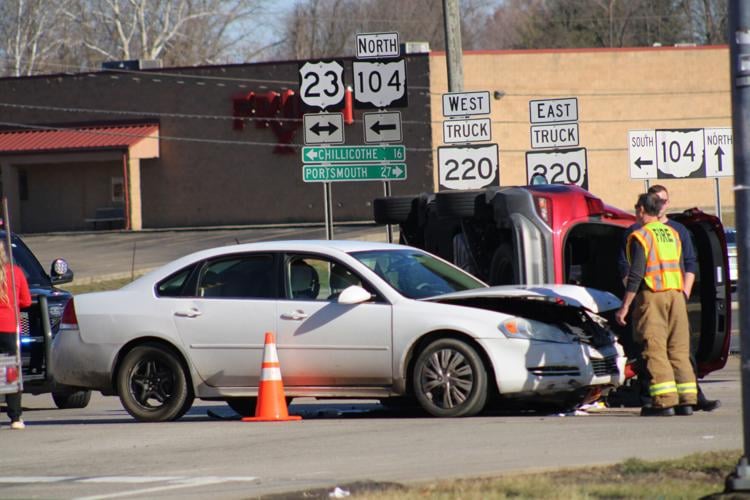
This article aims to guide you through the various aspects of navigating insurance claims in car accident cases, how to effectively communicate with your insurance company, and when to consider hiring a car accident lawyer or an accident attorney.
What is a Car Accident Case?
A car accident case typically arises when an individual suffers injuries or property damage in a vehicle collision due to another individual's negligence. In most instances, victims may file claims against the at-fault party's insurance company to cover medical costs, vehicle repairs, lost wages, and pain and suffering.
Common Causes of Car Accidents
There are various factors that contribute to car accidents, including but not limited to:
- Distracted Driving: This includes texting, eating, or using in-car entertainment systems while driving. Speeding: Exceeding the speed limit can reduce the driver's ability to respond to sudden changes in traffic conditions. Driving Under the Influence: Consuming alcohol or drugs impairs judgment and reaction times. Weather Conditions: Rain, ice, or fog can make roads slippery and visibility poor. Running Traffic Signals: Disregarding stop signs and traffic lights can result in severe collisions.
Steps to Take After a Car Accident
Knowing how to react after a car accident is crucial for both your legal standing and your safety. Here are steps one should consider following an accident:
1. Ensure Safety First
Your first priority should be your personal safety and the safety of others involved in the accident. If possible, move to a safe location away from traffic.
2. Call Emergency Services
Notify authorities and medical personnel by calling emergency services. This ensures that any necessary medical assistance is dispatched promptly.
3. Document the Scene
Take pictures of the accident scene, vehicle damage, road conditions, and any pertinent traffic signs. Collect names and contact details of witnesses to strengthen your case.
4. Exchange Information
Exchange contact and insurance information with the other driver(s) involved in the accident. Be sure to note their insurance policy numbers and the make/model of their vehicle.
5. Avoid Discussing Fault
Do not admit fault or discuss the accident in detail with anyone at the scene. This includes the other driver and witnesses, as it might complicate your claim later.
Filing an Insurance Claim
Once you have ensured that everyone is safe and you have documented the accident, the next step is to file an insurance claim. Here's a step-by-step guide on how to proceed:
1. Notify Your Insurance Company
Report the accident to your insurance company as soon as possible. Provide them with all the details, including when, where, and how the accident occurred, and the damages suffered.
2. Choose the Right Type of Claim
Depending on the specifics of your accident, you may file a claim with your own insurance policy or with the other party’s insurance, especially if they are at fault.
3. Provide Necessary Documentation
Gather and submit all required documentation, including:
https://www.oiseval.co.uk/portlands-reliable-resource-for-medical-negligence-claims/
- A copy of the police report. Medical reports detailing your injuries. Estimates for vehicle repairs. Any relevant photographs from the accident scene.
4. Follow Up Regularly
Keep in touch with your insurance adjuster to track the status of your claim. Provide any additional information they may request promptly.
Understanding the Role of a Car Accident Lawyer
Navigating the complexities of insurance claims and legal rights in car accident cases can be challenging. This is where a car accident lawyer becomes invaluable. Here's why you may want to consider hiring an attorney in your case:
1. Legal Expertise
Car accident lawyers are familiar with accident laws and insurance policies. They can guide you through the entire process, making sure you adhere to legal protocols and deadlines.
2. Fair Compensation
Attorneys can evaluate your case's worth and ensure you seek adequate compensation that covers all damages, including medical bills, emotional suffering, and future expenses stemming from the accident.
3. Negotiation Skills
Accident attorneys negotiate with insurance companies regularly. They understand the tactics that insurers use to minimize payouts and can advocate effectively on your behalf.
4. Legal Representation
If negotiations fail and the case escalates to court, having an accident attorney ensures you have professional representation. They know how to present your case and protect your rights in court.
5. Peace of Mind
Hiring a lawyer allows you to focus on recovery, knowing that a professional is managing your case and fighting for your best interests.
Challenges Faced During Insurance Claims
Navigating insurance claims in car accident cases can be riddled with challenges, including:
1. Delayed Response
Insurance companies may delay responses, causing frustration and hindering recovery efforts. Staying proactive in follow-ups can help.
2. Underestimating Damages
Insurers may attempt to minimize the extent of your damages or injuries, leading to inadequate compensation. It's crucial to provide comprehensive evidence to support your claim.
3. Disputed Fault
Disputes about who is at fault can complicate claims. If the other party denies responsibility, having a lawyer can help you establish fault through evidence and witnesses.
Conclusion
Navigating insurance claims in car accident cases can be complex and often daunting. Understanding key aspects of the claims process, as well as knowing how and when to engage the services of a car accident lawyer or accident attorney, is essential for a successful outcome.
By following the guidelines outlined above, maintaining thorough documentation, and remaining proactive, you can significantly improve your chances of achieving fair compensation for your losses.
Remember, while car accidents can be unpredictable, being prepared and informed can make navigating your insurance claims far less overwhelming.